


Fashion Show: Makeup, Dress Up
4.68.12K Reviews
App Specs
- Version
- 3.5.5
- Updated On
- License
- Free
- Downloads
- 100,000,000+
- Developer
- Dress Up Games for Girls
- Categories
- Simulation
- Platform
- Android
Screenshots

 Analysis by AppCompare
When a phone or tablet gets passed around at home, a fashion game can become a small shared activity: one person picks an outfit, another suggests makeup, and then they swap roles. That casual setup is where Fashion Show: Makeup, Dress Up makes the most sense to me. It is a free simulation game from Dress Up Games for Girls, centered on styling and makeovers, and its appeal is easy to understand: you can experiment with a look without needing to know anything about fashion beforehand.
Making a Shared Styling Session Work
On a shared device, I would treat each styling session as its own little project rather than assume the game is designed for several people to manage together. Agree on whose turn it is, and let each person finish a look before handing over the screen. That simple boundary prevents the next player from changing an outfit midway through and keeps the activity friendly, especially when younger children are involved.
A useful approach is to give each turn a prompt: choose a color first, build an outfit around one item, or create a look for a particular kind of occasion. The prompt adds a bit of structure without turning the game into a competition. It also makes it easier for a child who feels overwhelmed by choices to get started. I would keep the challenge light; the point is to enjoy making combinations, not to judge someone’s taste.
For a realistic everyday use, imagine waiting for a meal to finish or taking a quiet break at home. One person can choose clothes while another decides which makeup direction suits the look. Then they can trade places for the next styling idea. Because the activity is based on visual choices, it works well as a short, informal pastime, though I would not pick it when the household wants a game with a clear cooperative mode or a shared long-term goal.
Setting Expectations on a Family Device
Before handing over a phone, I would check the game’s current in-app purchase setup and make sure the device owner’s usual purchase safeguards are in place. The game is free to download, but optional purchases range from $0.99 to $49.99 per item. That spread is worth discussing in plain language with a child: free access does not mean every optional item is free. If a child is using a shared device, an adult should stay responsible for purchase decisions rather than expecting the game itself to handle household rules.
It also helps to decide whether the device is being used for one short session or for a longer stretch. A simple timer or an agreed stopping point can avoid arguments when someone else needs the phone. I would not promise a child that a particular outfit, reward, or activity will be available without checking in the game first; the better expectation is that they can explore the styling experience and ask an adult before spending money or changing device settings.
For households with more than one player, coordination matters more than any elaborate system. A child can describe a look before choosing it, or a parent can ask what part of an outfit they want to build around. Those small conversations make the game more engaging and give adults a natural chance to guide screen time. They also avoid turning a casual fashion activity into a contest over who gets the device next.
Worth Reading Before You Choose

Baby Panda World Brings Quick Play to Modern Phones, but Its Game Library Feels Busy

ESPN’s Live Game View Makes Following Close Games Easier

QuizzLand Review: A Good Fit for Short Trivia Breaks, Not Every Player

Basketball Stars: Multiplayer Is Fast, but Can It Recover When Matches Go Wrong?

WEBTOON Turns Phone Updates Into a Better Reading Routine

Link to Windows Runs on Shared Habits, Not Social Feeds
Age, Trust, and What the Game Is Best At
The game is rated Everyone, which makes it broadly approachable as a fashion-themed pastime, but an age rating is not a replacement for a parent’s judgment about a particular child or household. I would still introduce it together the first time, look over the available screens, and explain that in-app purchases cost real money. That is a practical way to set expectations without making the game feel like a chore.
Its large audience is one reason it may be familiar to people browsing fashion games: it has more than 100 million installs and an average rating of 4.6 from around 1.2 million ratings. Those figures suggest that the basic styling idea has wide appeal, but they do not tell me whether every feature will suit a particular family. I would use them as context, not as a promise that the game will hold every player’s attention.
Compared with a simple dress-up app that offers only a static wardrobe, the makeup and fashion-show framing gives this one a broader styling theme. Compared with a deeper life-simulation game, though, it is better approached as a focused creative diversion than as a world to manage over time. That distinction helps set the right expectations: choose it for trying visual combinations, not for a complex story, detailed character management, or a serious fashion-design toolkit.
Who Will Enjoy It—and Who May Prefer Something Else
I think it is a good fit for players who like choosing clothes, experimenting with makeup, and making a polished look from separate pieces. It can also work for a parent and child who enjoy chatting through creative choices, or for someone who wants a light game to dip into between other activities. The tutorial section may help a beginner who would rather follow guidance than face a blank slate, while more confident players can use the styling options as a prompt for their own combinations.
It is less suitable for someone who wants realistic makeup instruction they can apply directly outside the game, or for a player who expects a detailed competitive fashion simulator. The game’s central pleasure is trying looks; anyone who quickly tires of selecting and combining visual options may find that loop repetitive. If the household is looking for a game with clearly defined shared turns, substantial strategy, or a strong story, I would choose a different kind of title instead.
One small but useful styling tip is to decide on the overall mood before selecting individual pieces. For example, start with a bold or understated direction, then choose clothes and makeup that support it rather than adding every striking option at once. Another is to change one part of a look at a time. If the result feels off, that makes it easier to see whether the outfit, color balance, or makeup choice is what needs adjusting. These habits make the creative process feel more deliberate without requiring fashion knowledge.
The game is free, but optional in-app purchases are a real consideration on a shared device. I would make the purchase boundary clear before play, especially if a child can use the device without an adult beside them. The game is on version 3.5.5 and requires Android 8.0 or later; it is also available for iOS. Those details are useful when deciding whether an older device is suitable, while the Everyone rating gives a quick age-context cue rather than a substitute for supervision.
What to Expect from the Styling Loop
When I want a quick creative activity, I value games that let me make a choice and see a visual result without a long setup. The outfit-first approach here can be a good way to get moving: pick a piece that catches your eye, then build around it. If you are sharing the screen, taking turns choosing one element at a time can make the process more collaborative than having one person control every decision.
There is a trade-off, though. A broad set of choices can be fun, but it can also slow down a player who wants a clear instruction for every step. In that case, the tutorials are a sensible starting point; after following one, the player can try changing a single detail to make the result feel personal. I would not treat the tutorials as a full course in makeup or styling. They are better thought of as in-game guidance for getting started.
The fashion-show and challenge framing can give a look a purpose beyond simply dressing a character. That can help a player decide what to make next, especially if they enjoy working toward a prompt. Still, I would avoid assuming that every challenge will suit every player or that the game should be used as a measure of fashion skill. The most rewarding use is experimenting and learning what combinations the player likes, not chasing a perfect score or approval from others.
Keeping Play Comfortable and Low-Pressure
For younger players, I would make the shared-device routine predictable: agree on a turn, decide whether purchases are allowed only with an adult, and set a stopping point before starting. That avoids negotiating the rules after someone has become absorbed in a look. If an adult wants to join in, offering a prompt rather than taking control can keep the child’s choices at the center of the activity.
For older players or adults, the same game can serve as a brief visual break, but it is worth being honest about what it does and does not offer as an experience. I would not choose it when I want a deep progression system or an open-ended social space. Its strength is the accessible fashion theme and the chance to play with appearance; people who want more demanding simulation mechanics should look elsewhere.
Because the game has a large install base and a high average rating, it is easy to assume it will be an automatic hit with everyone who likes clothes. I would be more selective. A child who enjoys color, outfits, and makeovers is a stronger match than one who mainly wants action or puzzles. A family that shares one device may enjoy it most when play is treated as a short turn-taking activity rather than an always-available shared project.
A Practical Household Verdict
What matters most for a household is not just whether the styling is appealing, but whether the game fits the way the device is used. If the device belongs to an adult and children borrow it, keep purchase decisions with the adult and explain that boundary before play. If siblings share it, use a simple turn-taking plan. Those steps are more reliable than expecting a fashion game to solve account or family coordination for you.
I would recommend trying it with a child who enjoys creative dress-up play, particularly if an adult is happy to help set expectations around purchases and screen time. For solo players, it is a straightforward choice when the goal is a relaxed makeover activity. If you want realism, complex simulation, or a game that naturally supports several household members playing together, another option will likely be a better fit.
My Take on the Game
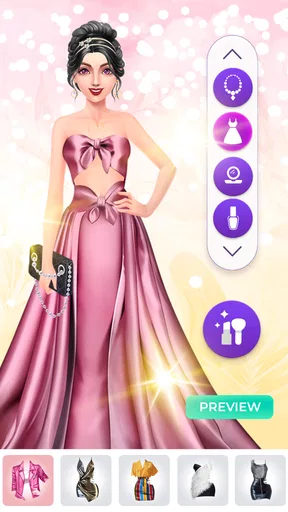
First things first, when you open up Fashion Show: Makeup, Dress Up, you’re greeted with a super chic interface. The vibrant colors and sleek design immediately pull you in. It’s like stepping into a virtual fashion house where you have all the tools at your fingertips to create your very own style statement.
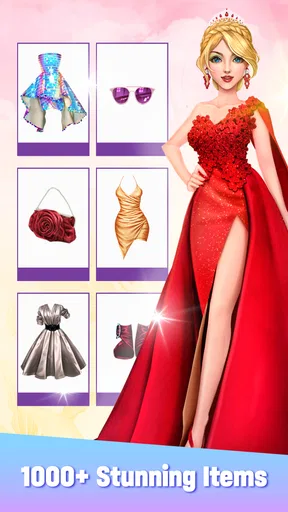
Now, let’s talk about the main attraction – the dress-up feature. This is where you can really let your creativity shine. With a wardrobe that seems to be straight out of a fashion week, you have loads of options. From glamorous gowns to trendy streetwear, the choices are endless. And the best part? You get to mix and match outfits to your heart’s content.
Perfecting That Look
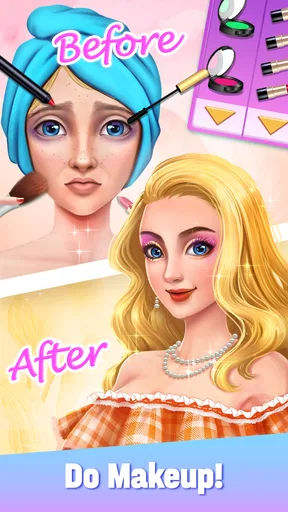
Once you’ve nailed the outfit, it’s time to head over to the makeup studio. This is where the magic happens. The app offers a variety of makeup tools, allowing you to experiment with different looks. Whether you’re going for a bold, dramatic look or something more subtle and understated, you’ll find everything you need.
The app also has a fantastic tutorial section. If you’re anything like me and need a little guidance in the beauty department, these tutorials are a lifesaver. They guide you through creating different makeup looks step-by-step, making you feel like a pro in no time.
Building Your Fashion Empire
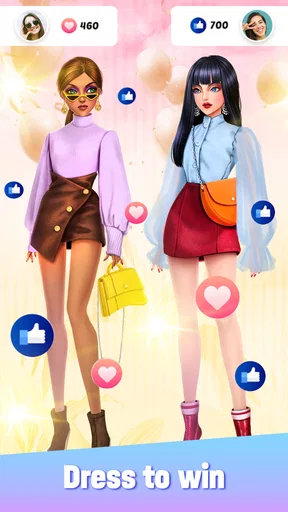
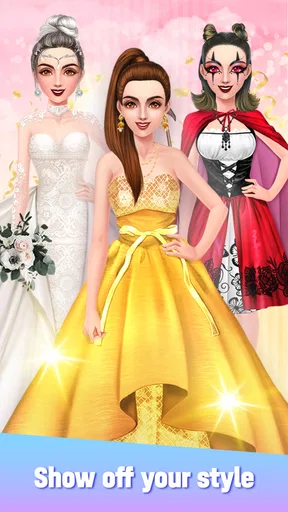
But wait, there’s more! Fashion Show: Makeup, Dress Up isn’t just about creating looks. It’s also about building your own fashion empire. You can participate in various fashion shows and challenges, showcasing your unique style to the world. It’s a great way to test your skills and see how your creations stack up against other budding fashionistas.
What’s really cool is the community aspect of the app. You can connect with other users, share your designs, and even get some inspiration. It’s like having a global fashion community in the palm of your hand. Plus, the feedback from other users can really help you improve and refine your style.
The Verdict
So, what’s the final word on this fashion game? Honestly, it’s a blast. Whether you’re a fashion newbie or a seasoned style guru, there’s something here for everyone. The app does a great job of making fashion fun and accessible, without taking itself too seriously.
I’d definitely recommend giving it a whirl if you’re in the mood for some fashion-forward fun. Who knows, you might just discover your signature style or pick up a few new tricks along the way. Happy styling!
Pros
- Intuitive interface for easy navigation.
- Wide variety of outfits and makeup.
- Regular updates with new content.
- Customizable character features.
- Inspires creativity and fashion sense.
Cons
- Contains in-app purchases.
- Ads can be frequent and intrusive.
- Limited offline functionality.
- May drain battery quickly.
- Requires constant internet connection.
FAQs for Fashion Show: Makeup, Dress Up
What is Fashion Show: Makeup, Dress Up about?
Fashion Show: Makeup, Dress Up is a creative simulation game where players take on the role of a fashion stylist. Your task is to design stunning outfits, apply makeup, and prepare models for the runway. The game offers various fashion challenges and competitions to showcase your styling skills and creativity.
Is Fashion Show: Makeup, Dress Up free to play?
Yes, Fashion Show: Makeup, Dress Up is free to download and play. However, it includes in-app purchases for premium features, additional outfits, and special items. These purchases are optional and designed to enhance the gaming experience, but players can enjoy the core game without spending money.
What age group is Fashion Show: Makeup, Dress Up suitable for?
Fashion Show: Makeup, Dress Up is designed for players aged 10 and above. It’s a family-friendly game that encourages creativity and fashion sense. The interface is user-friendly, making it accessible for younger players, while the fashion challenges provide engaging content for older users as well.
Can Fashion Show: Makeup, Dress Up be played offline?
Fashion Show: Makeup, Dress Up requires an internet connection for certain features, such as competitions and social sharing. However, players can enjoy many aspects of the game, like outfit creation and makeup application, offline. For a complete experience, it is recommended to play online.
What platforms is Fashion Show: Makeup, Dress Up available on?
Fashion Show: Makeup, Dress Up is available on both Android and iOS platforms. Players can download it from the Google Play Store or Apple App Store. It’s optimized for smartphones and tablets, ensuring a smooth and visually appealing experience across different devices.


